
When Rybelsus Fits: A Practical Guide to Expectations, Routines, and Safety Signals
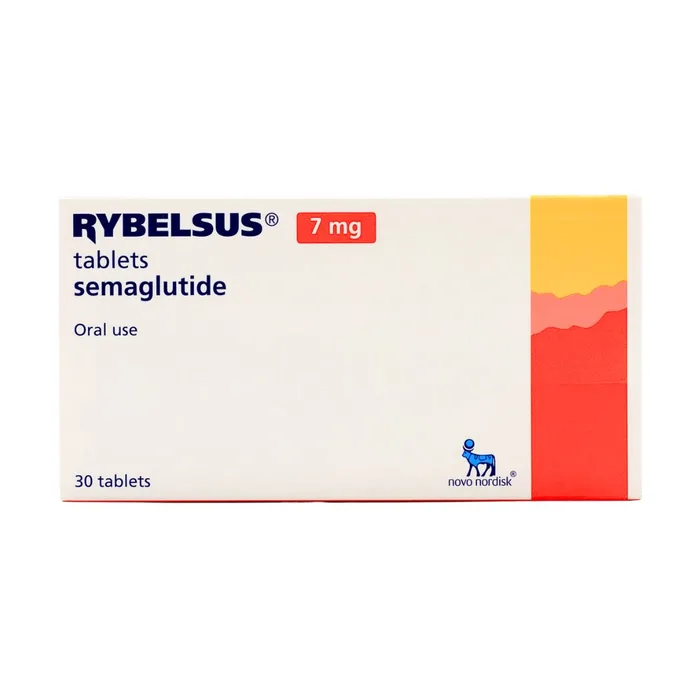
People managing type 2 diabetes often balance medications, meals, and daily routines. Rybelsus may be part of that plan for some adults, and understanding what to expect can reduce surprises. This guide explains how it works, typical experiences, practical routines, and safety signals to discuss with a clinician.
For a concise product overview, see Rybelsus Semaglutide Pills on CanadianInsulin; this article focuses on education. Content is general and does not replace personalized medical guidance.
How it works and who it may suit
This medicine belongs to the GLP-1 class. GLP-1 is a natural hormone that helps regulate blood sugar after meals. The medication version enhances those signals, which can support lower glucose levels and reduce appetite in some people.
It is intended for adults with type 2 diabetes as part of a broader plan. That plan usually includes nutrition, movement, sleep, and stress management. People with type 1 diabetes or diabetic ketoacidosis should not use GLP-1 therapies. Always confirm suitability with your clinician, especially if you have a history of pancreatitis, certain thyroid conditions, or complex gastrointestinal issues.
What “response” can look like
Response varies. Some people see smoother post-meal numbers and modest weight change over several weeks. A1C, the three-month average of blood sugar, may improve gradually. Others notice little change until dose adjustments are made under medical supervision.
Time to effect
Early effects often appear within 1–4 weeks, especially on appetite and post-meal spikes. A1C changes are usually assessed after about 12 weeks. Consistency with dosing instructions is key to getting a fair trial period.
What starting treatment may feel like
Gastrointestinal symptoms are the most common early experiences. Nausea, softer stools, or constipation may occur, particularly when beginning or increasing a dose. These usually lessen over time as the body adapts.
Some people report decreased appetite or earlier fullness. That can support reduced calorie intake, but it also risks not meeting protein and hydration needs. Plan balanced meals, and watch for unintentional undereating.
Mild effects that often settle
- Nausea or burping, especially after large or high-fat meals.
- Loose stools, constipation, or intermittent abdominal discomfort.
- Headache or light fatigue during the first weeks.
Track symptoms in a simple log. Note timing relative to dose and meals. Share patterns with your clinician if symptoms persist beyond a few weeks or disrupt daily life.
Less common effects to discuss promptly
- Persistent, localized abdominal pain that radiates to the back, with or without vomiting.
- Signs of dehydration: dizziness, very dry mouth, reduced urination.
- Noticeable changes in mood or significant loss of appetite affecting nutrition.
If you use other glucose-lowering medicines, especially those that can cause low blood sugar, monitor carefully. Hypoglycemia means blood sugar that is too low, often below 70 mg/dL (3.9 mmol/L). Symptoms include shakiness, sweating, confusion, or fast heartbeat. Discuss prevention and treatment steps with your care team.
Daily routines: timing, meals, and hydration
Oral GLP-1 therapy has specific dosing instructions. Taking it consistently each day supports steady effects and fewer fluctuations. Many people choose a morning routine to simplify timing.
Practical dosing habits
- Build a consistent routine around the dose, morning hygiene, and first meal.
- Set a phone reminder until the habit becomes automatic.
- Keep a small note by the sink to reinforce timing.
Meal planning that reduces nausea
- Favor smaller, more frequent meals if early fullness occurs.
- Focus on lean proteins, fiber-rich vegetables, and whole grains.
- Limit heavy, high-fat meals, especially near dosing time.
- Sip water regularly; aim for steady hydration through the day.
Protein supports satiety and preserves muscle during weight change. Include a source at each meal—eggs, fish, tofu, legumes, or poultry. If appetite falls, consider nutrient-dense snacks such as yogurt, nuts, or bean-based dips with vegetables.
Alcohol, caffeine, and activity
- Alcohol can worsen nausea and affect blood sugar. Use caution and monitor.
- Caffeine may aggravate reflux or queasiness in some people.
- Light activity after meals, like a 10–15 minute walk, can help post-meal glucose.
Monitoring progress and staying safe
Structured monitoring helps you and your clinician judge response. Use a meter or sensor to track fasting glucose and occasional post-meal checks. Review patterns rather than single numbers.
What to track
- Fasting glucose several times per week at consistent times.
- Post-meal readings about 2 hours after eating, a few times weekly.
- Weight trend, not daily fluctuations; look at weekly averages.
- Symptoms: appetite, GI effects, energy, and sleep quality.
Plan an A1C test around 3 months after starting or adjusting dose. Basic labs can help assess safety. Kidney function is often monitored with eGFR, an estimate of filtration; liver enzymes may also be checked.
Signals that need prompt attention
- Severe or persistent abdominal pain, especially with vomiting.
- Allergic reactions: rash, swelling of face or throat, or trouble breathing.
- Repeated lows if taking other glucose-lowering drugs; discuss dose coordination.
- Signs of gallbladder issues: right upper abdominal pain, fever, or pale stools.
Medication changes, including dose increases, are individualized. Avoid making adjustments on your own. Share home data and symptom logs during follow-ups to guide safe decisions.
Placing this therapy among other options
Type 2 diabetes care is layered. Lifestyle measures and metered monitoring are foundational, and medications are added when needed to meet agreed goals. Your priorities—cardiovascular risk, weight concerns, convenience, and side-effect tolerance—shape choices.
Many diabetes medications are grouped by how they work; explore GLP-1 Agonists to see where this class fits within options. Discuss with your clinician how class benefits and risks align with your health profile. Revisit choices as goals change or life circumstances shift.
Common barriers and workarounds
- Cost and access: ask about coverage, patient assistance, or formulary alternatives.
- GI side effects: slower dose increases and meal adjustments can help.
- Complex schedules: tie dosing to an existing, reliable morning cue.
Some people in the United States consider Canadian pharmacies that ship across the border to manage costs and access. Regulations and availability differ by jurisdiction, so confirm legality, safety standards, and your prescriber’s guidance before exploring that route.
Questions to bring to your clinician
Prepare a short list and a data snapshot before appointments. Clear questions support shared decisions and reduce trial-and-error.
- Based on my A1C and home readings, what is a realistic timeline for change?
- How should I coordinate other medicines if appetite or intake falls?
- Which symptoms mean “watch and wait,” and which need same-week contact?
- If labs shift, what thresholds would prompt a dose change or pause?
- What nutrition plan fits my culture, preferences, and schedule?
Bring your meter or sensor reports, a 1–2 week food and symptom log, and a list of all medicines and supplements. Accurate context helps tailor decisions to your goals.
For neutral background and company details, some readers look at CanadianInsulin for general information and services; policies vary by region. Always verify sources and coordinate any changes with your healthcare team.
Medical disclaimer: This content is for informational purposes only and is not a substitute for professional medical advice.
In summary, oral GLP-1 therapy can support glucose management for appropriate adults. Expect gradual changes, pay attention to GI comfort, and build simple routines. Track data, watch for safety signals, and partner with your clinician to adjust over time.
Awards and
Certifications
