
How Mobile Wound Care Is Improving Access to Specialized Treatment
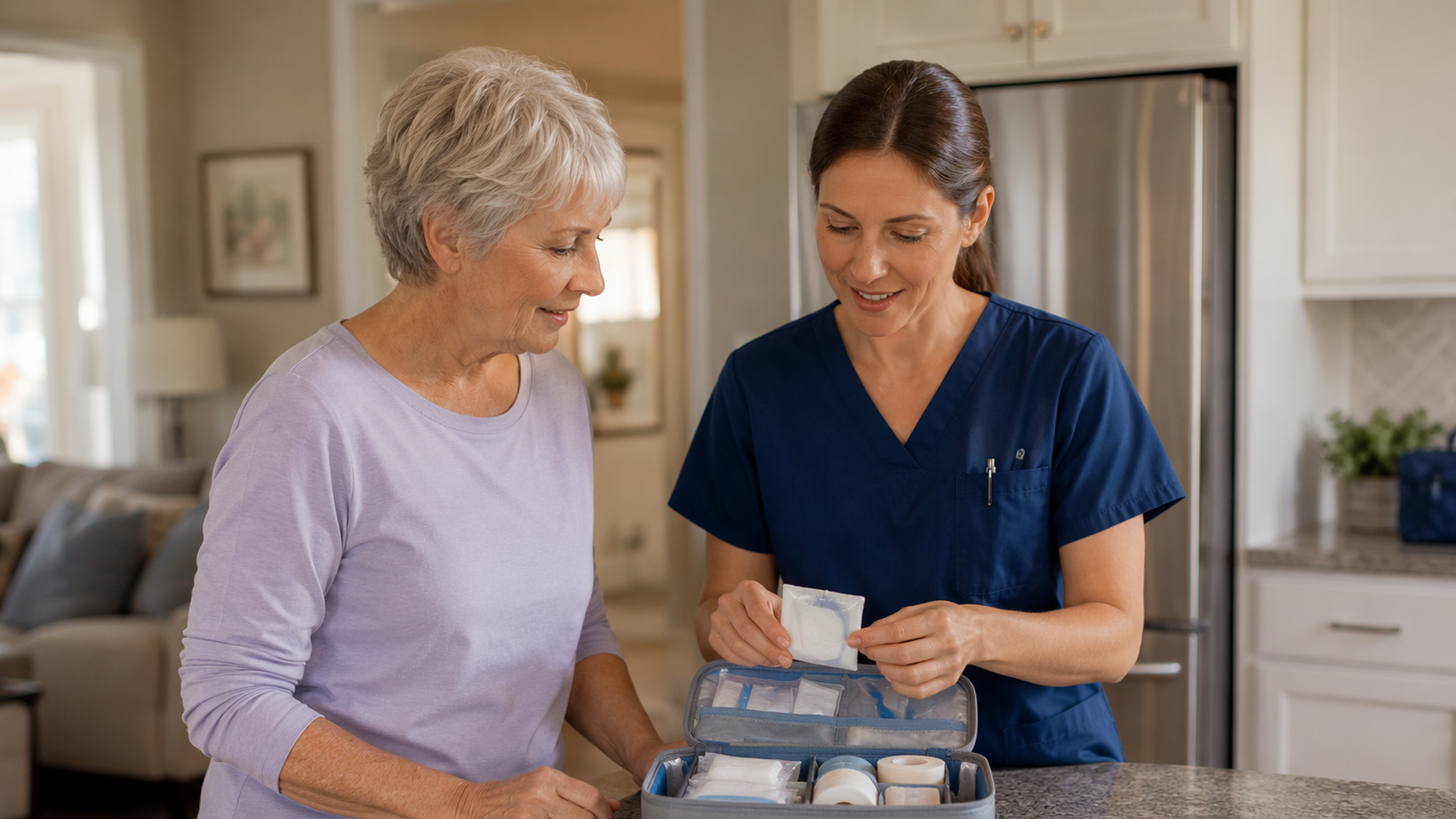
Mobile wound care is a healthcare delivery model in which licensed clinicians travel to patients' homes or residential facilities to provide specialized wound treatment.
This approach can improve access to care for patients with limited mobility, chronic conditions, or inadequate transportation. Rather than requiring patients to travel to clinical settings, the service can bring assessment, dressing changes, monitoring, and other appropriate interventions directly to the patient's location.
For appropriate patients, mobile care may help support treatment adherence and identify wound complications early. Outcomes depend on the wound type, the patient’s overall health, the care plan, and timely coordination with other healthcare providers.
What Is Mobile Wound Care and Who Does It Serve?
Mobile wound care is a service model in which specialized wound treatment is delivered directly to patients in long-term care facilities, assisted living communities, and home health settings. It is designed to address the needs of individuals who face difficulty accessing traditional outpatient or clinical environments because of physical limitations, medical fragility, or transportation constraints.
The patient populations typically served include those managing chronic wound conditions such as diabetic foot ulcers, pressure injuries, and venous or arterial ulcers. These conditions often require consistent, ongoing clinical attention that can be difficult to sustain when patients are homebound or reside in care facilities without on-site wound specialists.
Mobile wound care teams generally coordinate with a patient's existing healthcare providers to support continuity of care. This coordination can reduce gaps in treatment and help facility staff access specialized wound management support. Treatment plans are developed from individual patient assessments, accounting for factors such as wound type, severity, underlying health conditions, and the patient’s care environment.
Why Traditional Wound Centers Fall Short for Homebound Patients
Traditional wound care centers can present significant barriers for homebound patients. These facilities require patients to travel for care, which may be difficult or impractical for individuals with limited mobility, medical fragility, or unreliable transportation. Transportation challenges can lead to missed or delayed appointments, which may interrupt necessary monitoring and treatment.
The consequences of inconsistent wound care can be serious. Gaps in treatment may allow wounds to worsen, increasing the risk of infection, tissue damage, and other complications that can require emergency intervention or hospitalization.
Standard home health services can address some access barriers by bringing general care to the patient, but the available wound care expertise and services may vary. According to the experts at Inspiring Minds Wound Care, complex or chronic wounds may require more specialized assessment, debridement, treatment planning, and coordination with physicians or other specialists.
For homebound patients who need specialty-level treatment without repeated travel, Inspiring Minds Wound Care provides in-home wound assessments, treatment planning, and ongoing clinical management. Learn more at https://inspiringmindswoundcare.com/mobile-wound-care-services/.
How Mobile Wound Care Reaches Patients Where They Live
Mobile wound care involves a clinician traveling to a patient's residence with the equipment and supplies needed to assess and treat chronic wounds on-site. This model can address transportation barriers that affect patients with mobility limitations or complex medical conditions.
Mobile wound care providers typically coordinate with a patient's existing healthcare team to maintain continuity of care. Communication with primary care physicians, specialists, home health providers, and facility staff helps keep the team informed about the patient’s wound status and treatment progress. This can support timely clinical decisions without requiring the patient to travel to a traditional wound care facility.
Which Wound Types Are Treated Most Through Mobile Care?
Mobile wound care services often address chronic and complex wounds that require ongoing management outside traditional clinical settings. Common conditions include diabetic foot ulcers, pressure injuries, venous leg ulcers, arterial ulcers, skin tears, and post-surgical wounds.
These wounds can benefit from regular monitoring and dressing changes, as well as timely reassessment when healing does not progress as expected. The types of wounds treated depend on the provider’s scope of practice, local service availability, and the patient’s clinical needs.
This care model can reduce the need for repeated travel while providing consistent wound assessment and treatment for patients with limited mobility or transportation access. However, some wounds require hospital-based services, surgery, vascular evaluation, imaging, or other advanced interventions that cannot be provided in the home.
How Mobile Care Supports Facility Nursing Teams
Mobile wound care teams can support facility nursing staff by delivering specialized expertise on-site for complex wound cases. Treatment plan updates can be communicated to the nursing team, supporting care continuity and more consistent implementation of wound care instructions.
Specialists may also provide education related to wound monitoring, dressing techniques, pressure injury prevention, and warning signs that require escalation. By helping manage advanced wound care needs, mobile providers can allow facility nurses to devote more time to other patient care responsibilities.
The impact on hospital admissions varies by patient population, wound severity, care setting, and the quality of coordination among providers. Mobile care should be viewed as one component of a broader care plan rather than a guaranteed way to prevent hospitalization.
How Telemedicine Strengthens Mobile Wound Care
Telemedicine can complement mobile wound care by allowing clinicians to consult with remote specialists when appropriate. This approach may support faster communication, treatment-plan review, and clinical decision-making without requiring the patient or specialist to travel.
Telehealth does not replace an in-person assessment when direct examination or hands-on treatment is necessary. Its value depends on the technology used, the clinical situation, patient consent, privacy safeguards, and coordination with the treating team.
Remote Expertise Can Support Clinical Decisions
Telemedicine can extend access to specialist consultation for patients with mobility limitations or geographic barriers. On-site providers may use secure communication tools to discuss wound characteristics, review images when clinically appropriate, and obtain guidance from a physician or wound specialist.
This collaboration can help the care team respond more efficiently when a wound changes or complications are suspected. Results vary, and telemedicine-supported wound care should be integrated into a clinically appropriate treatment plan rather than treated as a substitute for necessary in-person care.
Supporting Continuity Through Telehealth
Telehealth may help maintain continuity of care by making specialist input more accessible between in-person visits. For patients with limited mobility, it can remove practical barriers that might otherwise delay a discussion about symptoms, treatment changes, or follow-up needs.
When used appropriately, telehealth can support communication among patients, caregivers, facility staff, and clinicians. Providers should still ensure patients understand when changes in pain, drainage, redness, fever, odor, or other symptoms require prompt in-person medical attention.
How Mobile Care May Reduce Hospitalizations and Emergency Transfers
Mobile wound care may help reduce avoidable hospitalizations and emergency transfers by supporting timely intervention and consistent monitoring. Early identification of changes in a wound can allow clinicians to reassess treatment, address contributing factors, and coordinate with the patient’s broader healthcare team before complications become more severe.
This does not mean that all hospitalizations can be prevented. Serious infections, poor circulation, rapidly worsening wounds, and systemic symptoms may require urgent evaluation in an emergency department or hospital.
From a healthcare-system perspective, treating appropriate patients in their usual care setting can reduce unnecessary travel and help avoid disruption to daily routines. The patient’s safety, wound severity, and need for advanced services should always guide decisions about the most appropriate setting of care.
What to Look for in a Mobile Wound Care Provider
Selecting a mobile wound care provider requires evaluating several practical criteria. A qualified provider should develop individualized care plans that account for the patient's medical history, wound characteristics, daily routines, and living conditions rather than applying a standardized approach.
Clinical expertise is an important consideration, particularly for the management of chronic wound types such as diabetic foot ulcers, venous leg ulcers, arterial ulcers, and pressure injuries. Patients and caregivers can ask about clinician qualifications, relevant wound care experience, and how the provider coordinates with physicians and other members of the care team.
Insurance compatibility is another practical factor. Verifying whether a provider accepts Medicare, Medicaid, or private insurance can help patients understand potential out-of-pocket costs before care begins.
Effective mobile wound care also depends on coordination with a patient's broader healthcare team. Providers who maintain communication with primary care physicians, specialists, home health agencies, and facility staff can help ensure wound care decisions align with the patient’s overall treatment plan.
Finally, providers should be able to adapt their approach as the patient’s condition changes. Responsiveness, clear documentation, and reliable communication practices affect the consistency of care over time.
Does Medicare Cover Mobile Wound Care Visits?
Medicare coverage for wound care depends on the services provided, the patient’s eligibility, the provider’s participation status, and whether the care is considered medically necessary. Certain home health services may be covered when a patient meets Medicare’s requirements, including eligibility for home health benefits and a qualifying plan of care.
Coverage may involve Medicare Part A, Part B, Medicare Advantage, supplemental insurance, or other arrangements depending on the patient’s situation. Copayments, deductibles, coinsurance, and coverage limitations may apply.
Patients and caregivers should verify coverage with the provider, their insurer, or Medicare before beginning services. A licensed insurance counselor can also help explain plan-specific benefits and potential out-of-pocket costs.
Conclusion
Mobile wound care offers an alternative pathway to specialized treatment for patients with limited mobility, transportation barriers, or geographic constraints. For individuals managing chronic wounds at home or in care facilities, this model brings clinical services to the patient rather than requiring travel to a medical office or hospital.
Providers of mobile wound care may include wound care nurses, nurse practitioners, physicians, and other qualified clinicians who assess wounds, provide treatment within their scope of practice, and coordinate with the patient’s existing care team.
This approach can help reduce delays in care and support more consistent follow-up for appropriate patients. Selecting a qualified provider with appropriate credentials, relevant wound care experience, and strong communication practices remains an important part of achieving safe, effective care.
Awards and
Certifications
